Door Knocking
Help us reach voters across Portland's neighborhoods, one door at a time.
Portland City Council 2026
For Portland's District 3
Let's Heal Portland Together!
A Healthcare Provider Helping Portland Heal
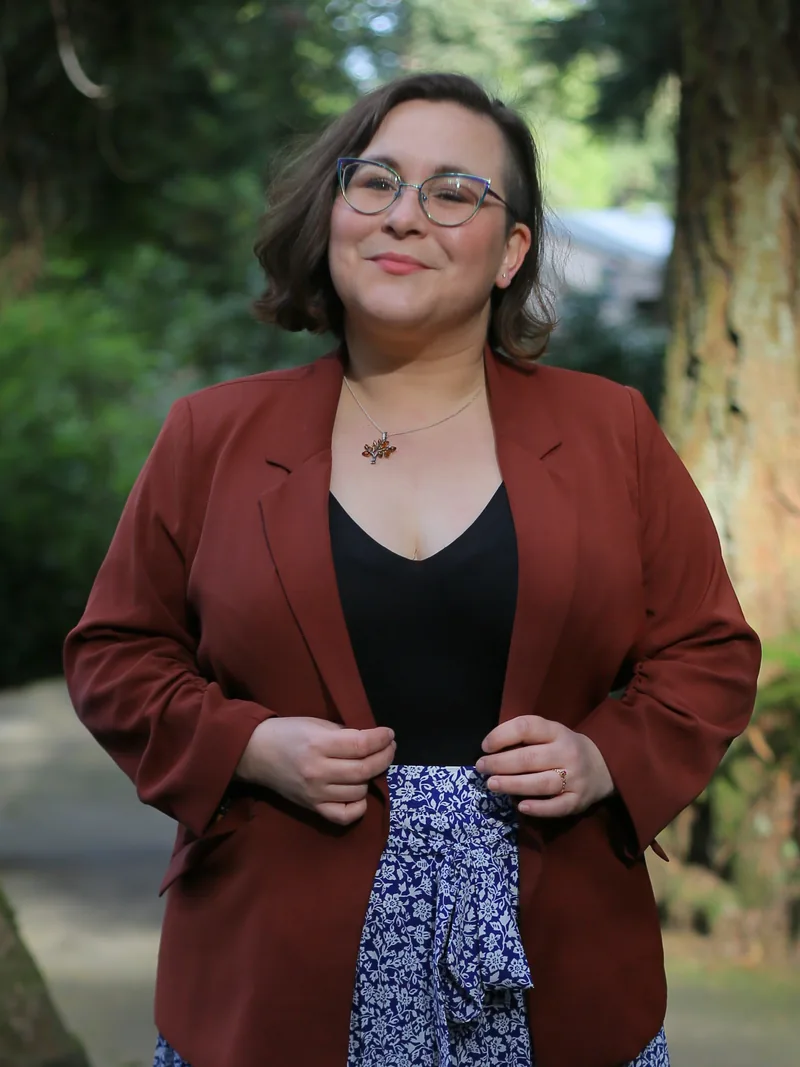
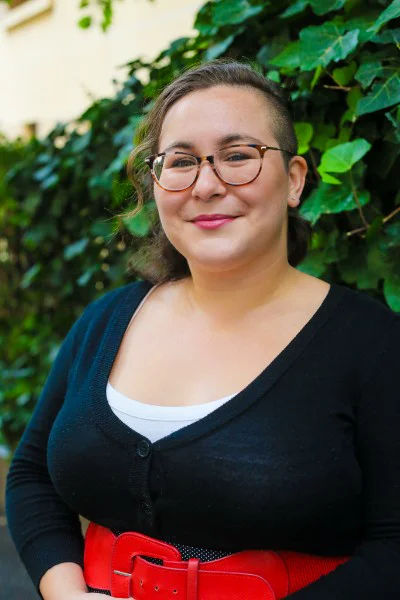
My name is Esther León. I am a doctor of Physical Therapy, currently working with incarcerated individuals in Oregon’s prison system, as well as educating the next generation of healthcare providers. I have been caring for the citizens of Portland since 2020. During the pandemic, I served as a home health provider to the most medically vulnerable residents of Multnomah, Clackamas, and Washington Counties.
As a healthcare provider, my first job is to listen. This includes opening my mind to new perspectives, checking my biases, and keeping shared humanity at the forefront no matter how different my patients’ background is from mine. Healing comes from being seen and heard. I believe I am in the unique position to see and hear the needs of the people of Portland. Together, we can help heal our fracturing community.
For decades, Portland has been a safe haven for those who feel…well, weird. As a queer, neurodivergent, mixed ethnicity artist-at-heart, this city was the first place I felt true belonging. I have met so many like-minded folks who genuinely care about the wellbeing of others, who are ready to pull their resources together and contribute to the whole. Yet the state of our government makes this goal an uphill battle.
Portlanders are overtaxed and underdelivered. We are losing faith in our ability to contribute to the collective good through civic measures as the housing crisis worsens, our infrastructure crumbles, and our favorite small businesses are priced out of the area. Nobody wants this. If elected city councilor, I will work to restore affordable living, a successful small business scene, clean and safe streets, and a thriving arts culture. Let’s keep Portland beautiful, healthy, and weird for generations to come!

We need to think long term to combat xenophobia and sow the seeds of cross-cultural connection. We can start by:
Climate change is perhaps the greatest existential threat facing humanity today. Portland needs a Green New Deal. I will make this a reality by:
Everyone deserves the dignity of a place to pee and toss their waste! A huge expansion in public restroom and trash disposal access will help address city sanitation. I propose:
The process of running for public office has enlightened me as to how difficult it is to figure out what one actually needs to do to run. And when it comes to following local legislation, watching the hours'-long city council meetings is not realistic for the majority. Government is for all of us. Let's cut barriers for participating by:
Most small business owners simply cannot afford to provide their employees with benefits. Portlanders are currently incentivized to either work for large businesses, or remain unemployed, in order to have healthcare. Healthcare is a human right. Let's make that statement a real practice by:
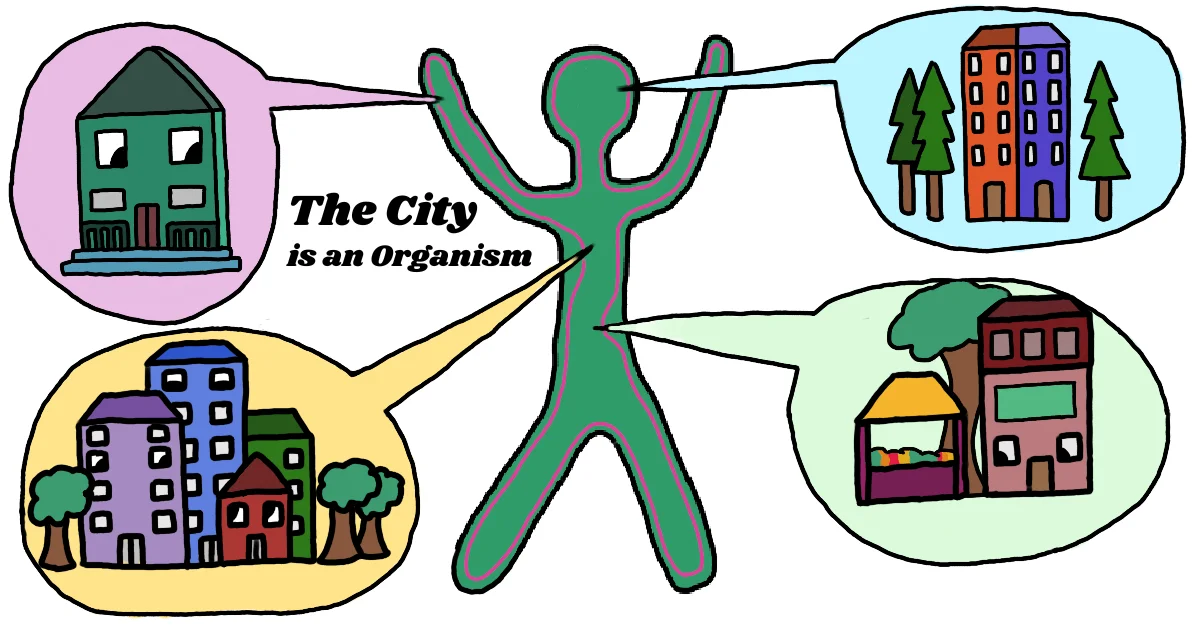
Current zoning policy in Portland is complicated, inflexible, and fails to treat our city as one functioning whole. This approach is at the heart of the housing crisis. We can help our city work as a healthy body rather than separate parts by introducing “Holistic Zoning”. Holistic zoning simplifies policy into easy-to-understand categories that will create the conditions for small businesses to grow, improve city walkability, and reduce cost of living.
This is perhaps the most hot-button issue in Portland right now, and the most complex. Housing is no longer affordable for the majority of Portlanders: only 37% of spaces for rent in the city cost less than $1500 a month - more than what Portland Housing Bureau states 65% of Portlanders should reasonably pay for rent (sources: RentCafe (opens in new tab), Portland Housing Bureau (opens in new tab)). Inflation, combined with wage stagnation, is at the root of our housing crisis. Let's humanize our unhoused neighbors and take a targeted approach by:
We must also acknowledge the financial risk local landlords accept when taking in tenants at high risk of being unable to make rent, including the financial realities of maintaining a clean, liveable residence. This is why I propose we:
Portland consistently ranks in the top 5 most expensive property tax cities in the country, lending to the property ownership disparity crisis. Current property taxes rise dramatically with building renovations and expansion, incentivizing owners to keep lots undeveloped, and properties aging. This is unsustainable. We can alter this by:
Music and the arts are one of the core pillars of our local economy, yet you wouldn't know it given how little our government invests in our artists. Art is how we keep our minds open to beautiful possibilities and expand community connection. Let's actively stand up for our artists by:
By taxing landlords with empty commercial and residential spaces, who are holding out for tenants willing to pay outrageous rents, we can incentivize them to lower rent and expand the potential tenant pool. Vancouver BC (opens in new tab) has implemented such a tax for over a decade and has the data to show that it has helped keep rents from increasing while providing money for affordable housing. I propose we:
Note: The City of Portland just concluded a study that recommended not proceeding with a vacancy tax because it would disproportionally affect small local landlords. My policy would only target large scale landlords.
Tom Dundon and the Blazer's ownership have not come to the negotiating table in good faith. The current proposal presented by Dundon et. al. lacks either transparency of use or a guaranteed return on investment for our taxpayer dollars. I support a fair deal: one that is mutually beneficial for the city and the team. This would include items such as commitment to hiring union-operated local contractors, excluding use of PCEF dollars from the project, increasing ticket sale percentage directed to the city, and instituting a significant rental fee, guaranteeing a net positive return of taxpayer investment.
Portlanders have spoken clearly over the last several years: taking a policing approach to public safety does not make us safer. Portland Police Bureau needs to acknowledge the harmful practices it has utilized to target marginalized groups and actively work to de-militarize their operations. This is fundamental if we are to open up a healthy dialogue between PPB and the public. I believe this is possible. Let's start with the following:
Like many cities in our country, Portland residents have recently been terrorized by Immigration and Customs Enforcement officers operating with near complete immunity from the law. I have personally witnessed the use of tear gas at peaceful protests. I have watched my immigrant neighbors retreat from public spaces for fear of being violently taken without warning and held in detention centers under inhumane conditions, without respect for their constitutional or human rights. ICE agents have murdered 10 innocent people in 2026 as of me writing this.
As the granddaughter of a Mexican immigrant, this moment particularly calls for me to take a firm stance to get ICE out. While we need more than the power of city council to do this, we can expand city actions further by:
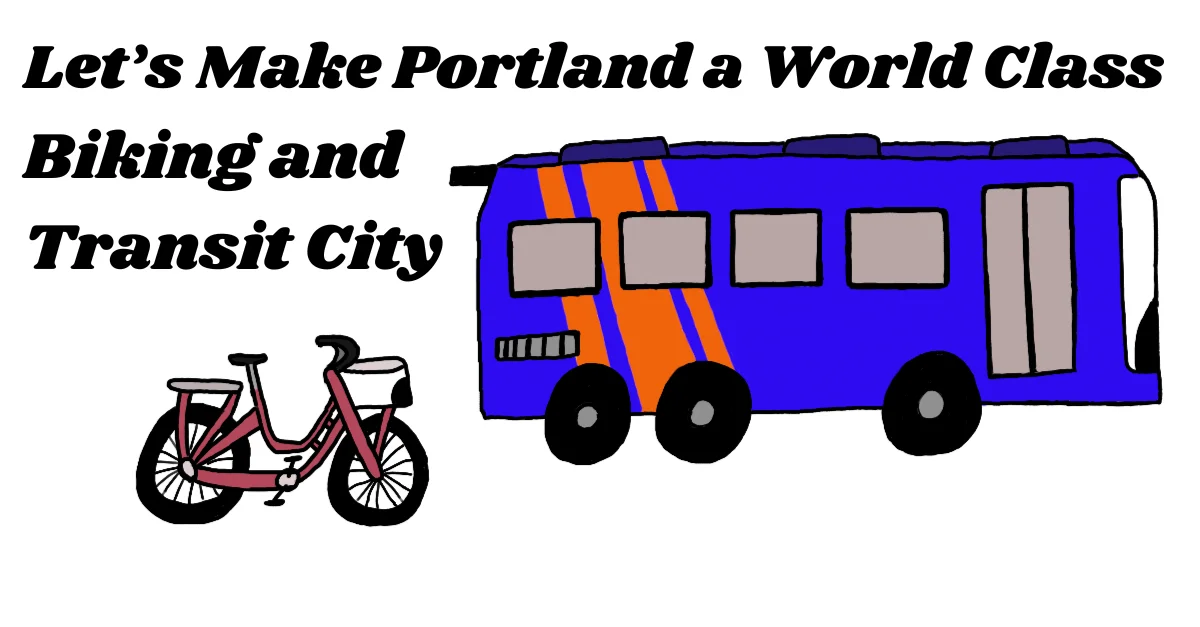
Transportation is not only a matter of public safety, it is at the heart of issues of equitability and inclusion. We need to create spaces that are human-first: car dependency hurts Portlanders by not only worsening the climate, but demanding a certain level of income just to get from place to place. We can shift this through:
 Visit portlandstreetresponse.org (opens in new tab)
I commit that if elected I will prioritize, introduce budget amendments, and vote in favor of full funding for expanded 24/7 citywide Portland Street Response coverage in every budget cycle.
I pledge not to take contributions from police unions or associations, not to seek their endorsement and to publicly reject their independent expenditures. I will instead prioritize the wellbeing and safety of every member of our community.
 Visit patientsoverprofits.org (opens in new tab)
I pledge to put patients over profits and not take contributions from the executives, lobbyists, and PACs affiliated with the corporate health care industry, including private insurers, pharma corporations, and private hospitals who are organizing to take over our healthcare system.

I pledge not to take contributions from oil, gas, and coal industry executives, lobbyists, and PACs and instead prioritize the health of our families, climate, and democracy over fossil fuel industry profits.

Dr. Esther León has a heart for the people. ALL PEOPLE. And that's what Portland needs more of in its governmental bodies - representatives who think of and care for people FIRST. A vote for Dr. Esther León for Portland City Council is a vote for COMMUNITY CARE!
Dr. Esther León is a well balanced voice for the communities and businesses of Portland. She's brilliantly dedicated to serving the people and truly walks the walk to ensure a healthier path forward.
More endorsements to come - check back as election day approaches!
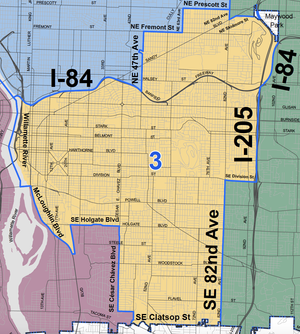
I am running to represent Portland's District 3, which includes 21 neighborhoods across the east side. Having lived in District 3 since moving to Portland in 2020, I am intimately familiar with this quadrant of the city, and have called Brooklyn, Kerns, Richmond, and Sunnyside home over the past six years. Check out the link below the map to learn more about District 3.
Are you registered to vote? Is your address up to date? Follow this link to find out!
Check My Voter Registration (opens in new tab)
As a grassroots campaign, we need volunteers like you to get the word out! If you're interested in helping in any of the ways listed below, or you have other campaign skills you would like to contribute, please complete the form below.
Help us reach voters across Portland's neighborhoods, one door at a time.
Make calls to connect with voters citywide.
Amplify Esther's message online and help us grow our grassroots network.
Help plan and coordinate campaign events, manage supplies, and keep operations running smoothly.
Every dollar powers our grassroots campaign to build a Portland that works for everyone, not just the privileged few. Your contribution goes directly toward knocking on doors, reaching voters, and winning this race for District 3.
Thanks to the generous donations of over 250 Portland residents, we have been certified by the Small Donor Elections program! If you live in Portland, you can help us unlock the next tier of 10x donation matching by donating $5 today.
Paid for by Esther León for Portland City Council. Contributions are
not tax deductible.
US citizens and permanent residents only. Maximum contribution: $350
per individual.
Please email esther.for.portland@gmail.com if you would like to get in touch about this campaign.